

Forest School at WHPS
“Now I see the secret of the making of the best persons: it is to grow in the open air and to eat and sleep with the earth.”— Walt Whitman
Forest School is an established and valued part of our curriculum, providing children with regular opportunities to learn, explore and develop through outdoor experiences in a natural environment.
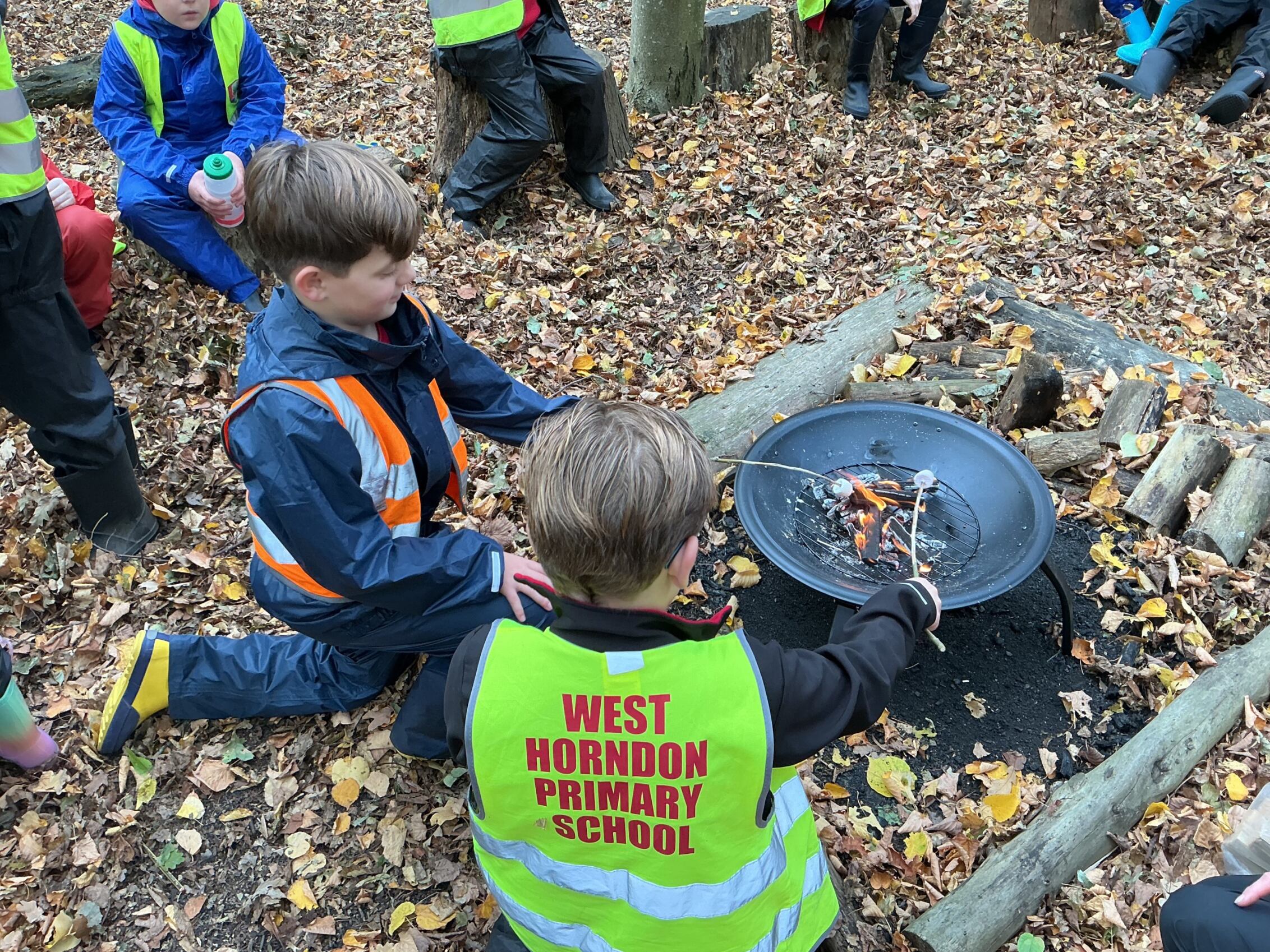
Children in Year R, Year 1 and Year 2 take part in weekly Forest School sessions, as do pupils within our Resourced Provision for Speech and Language. Children in Years 3, 4, 5 and 6 also benefit from Forest School through weekly sessions for one half term each term, ensuring that all pupils have access to this enriching provision. These sessions take place at Barnards Farm, an excellent outdoor venue that we are very fortunate to use and which the owners kindly allow us to access throughout the year.
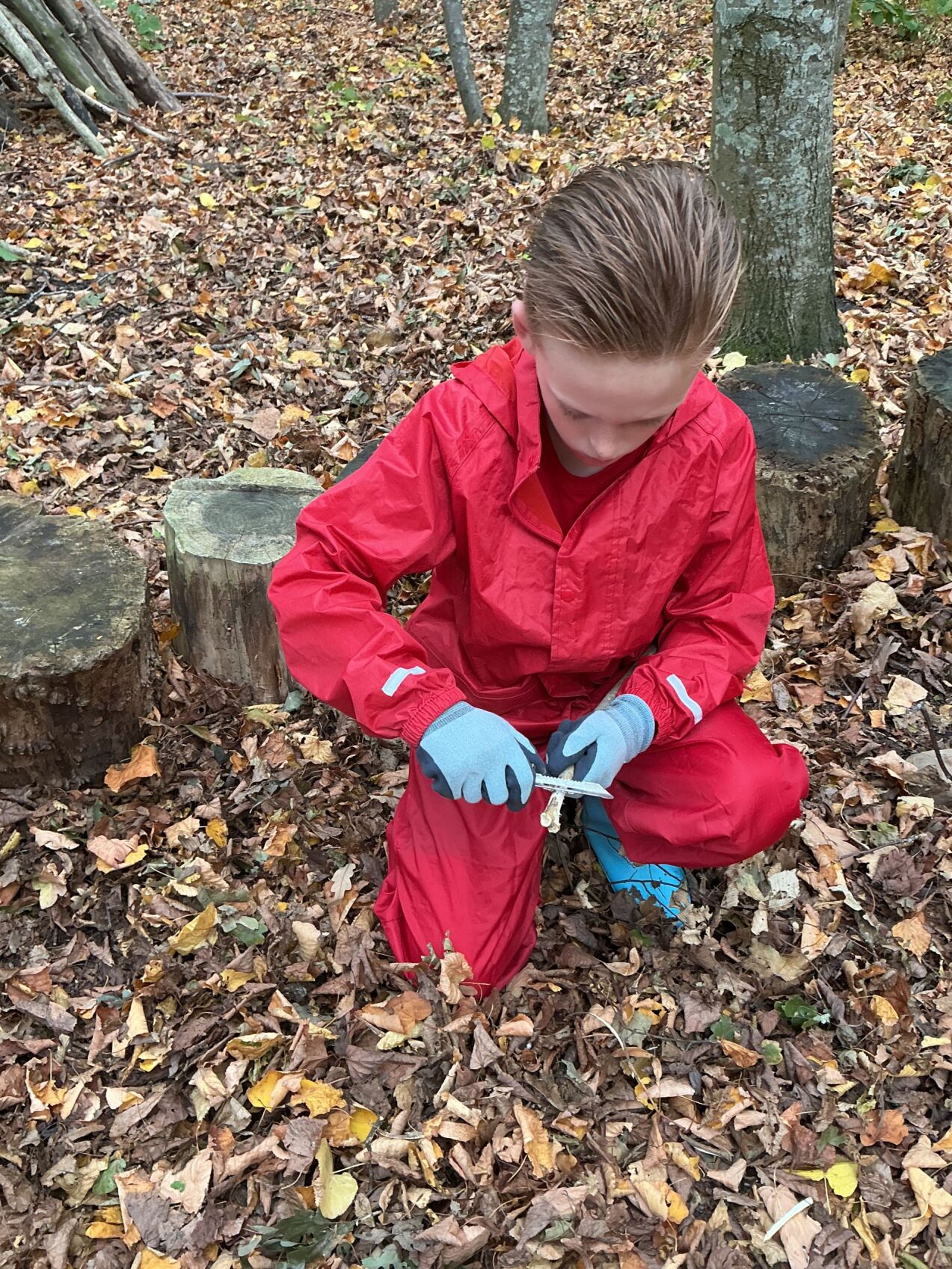
Forest School offers a wide range of benefits for children. Regular time outdoors supports positive mental health and emotional wellbeing, helping children to reduce stress, build self-confidence and develop resilience. Through practical, hands-on activities, children learn to work collaboratively, communicate effectively and solve problems creatively. Forest School also provides valuable opportunities for children to learn how to assess and manage risk safely, supporting the development of independence, sound judgement and responsible decision-making. In addition, outdoor learning encourages children to be active, curious and reflective, and to develop a lasting appreciation of the natural world.
Our Forest School programme is led by Mrs Harbrow, an experienced and dedicated Forest School Leader, who ensures that all sessions are safe, purposeful and engaging for every child.
The 6 Principles of Forest School
The ethos of Forest School follows the six principles that are agreed by the UK Forest School Community and are endorsed by the Forest School Association.
- Principle 1: Forest School is a long-term process of frequent and regular sessions in a woodland or natural environment, rather than a one-off visit. Planning, adaptation, observations and reviewing are integral elements of Forest School.
- Principle 2: Forest School takes place in a woodland or natural wooded environment to support the development of a relationship between the learner and the natural world.
- Principle 3: Forest School aims to promote the holistic development of all those involved, fostering resilient, confident, independent and creative learners
- Principle 4: Forest School offers learners the opportunity to take supported risks appropriate to the environment and to themselves.
- Principle 5: Forest School is run by qualified Forest School practitioners who continuously maintain and develop their professional practice.
- Principle 6: Forest School uses a range of learner-centered processes to create a community for development and learning
Overview of the Ethos of Forest School
Learning in the outdoors involves the whole person - mind, body and soul. It places young people in real situations and encourages them to take responsibility and reflect on their actions. Motivation and learning come easily when you need to build a shelter, or cook your lunch over the fire.
In Forest School, children are never set to fail. Instead, they are given appropriately challenging and achievable tasks that build their confidence, skills and independence. The activities lend themselves to teamwork, and developing and improving social interaction.
Forest School has the potential to unlock talents that would remain hidden in formal teaching. Learning in direct contact with nature can challenge attitudes and values and encourage lifestyles based on quality of life rather than material possessions. It encourages self-respect, respect for others and respect for the environment.
Forest School provides opportunities through adult enabled and child led activities that enhance the development of each child's physical, intellectual, linguistic, social and emotional skills. Development in these areas can be observed throughout sessions by the practitioner and feedback to the class teacher, thus enriching teacher assessment by providing evidence of deep learning through the application of skills beyond the classroom.
For more information about Forest School, please visit https://www.forestschoolassociation.org/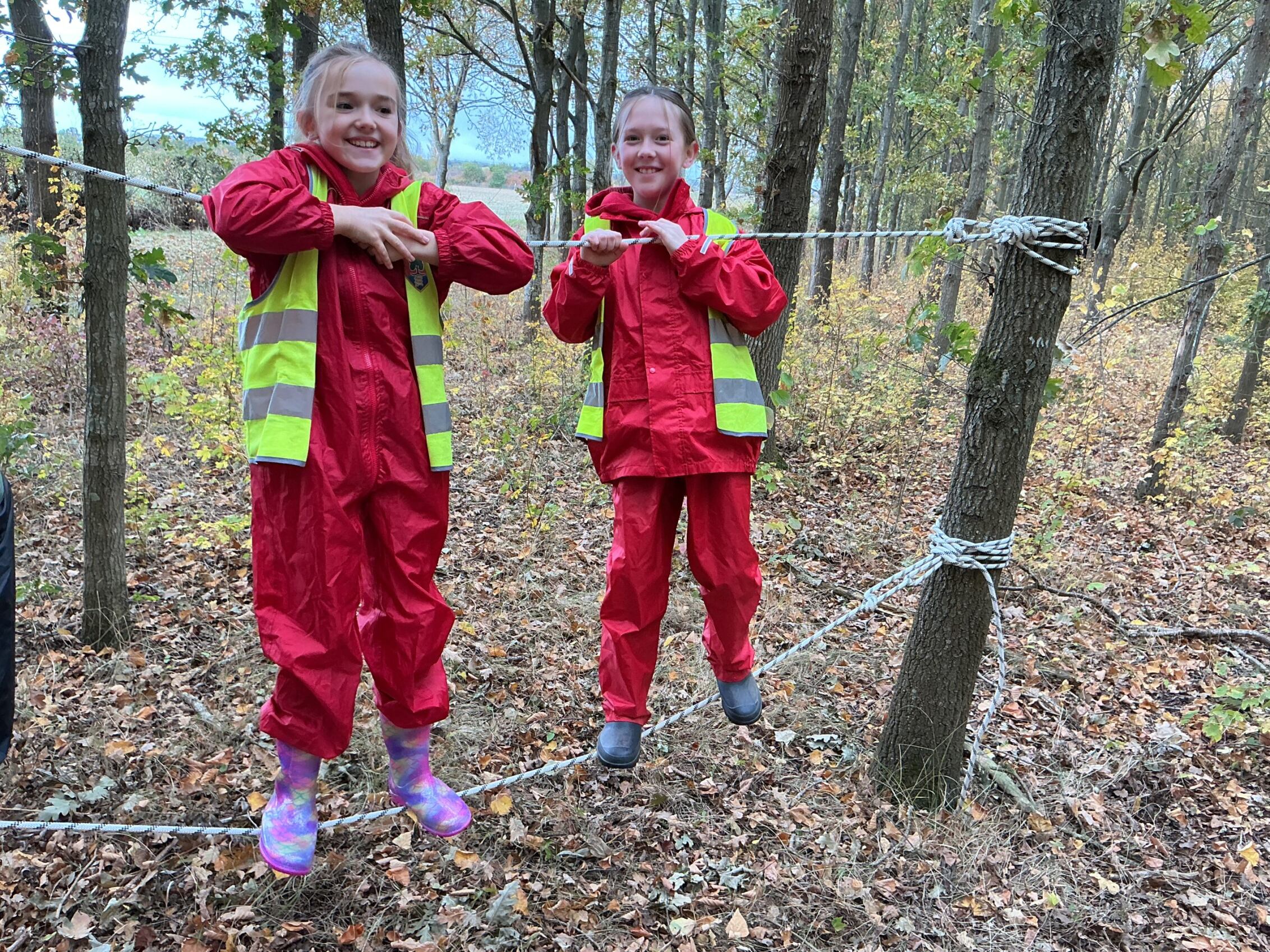
The National Curriculum states that:
2.1 "Every state funded school must offer a curriculum which is balanced and broadly based and which;
- promotes the spiritual, moral, cultural, mental and physical development of pupils
- prepares pupils for opportunities, responsibilities and experiences of later life."
3.2 "The National Curriculum is just one element in the education of every child. There is time and space in the school day and each week, term and year to range beyond the National Curriculum specifications."
At West Horndon Primary School we are proud to have a curriculum that we believe encourages all children to be:
- successful learners who enjoy learning, make progress and achieve
- confident individuals who are able to live safe, healthy and fulfilling lives
- responsible citizens who make a positive contribution to society
We consider the Forest School experience should be an opportunity that forms part of this curriculum as the ethos it represents very much reflects these aims. Our policy therefore sets out to ensure that all stakeholders, especially practitioners have a collective insight into the ethos of Forest School and that, children who participate in the sessions are given the opportunity to develop through holistic experiences therefore become all of the above.
Barnards Farm kindly allow us to use their grounds for Forest School Sessions